
Caring for a child with autism is a journey filled with questions, emotions, and deep love. But one thing many African parents are now discovering is this: food has power. The right meals can calm the gut, support the brain, and bring out the best in a child. That is why understanding the autism diet best for autistic individuals is no longer optional, it is essential. We believe good food is not just fuel. It is medicine. It is hope. It is the beginning of transformation.
Yet many parents still wonder: What foods are good for autism? What should I remove? What should I add? How do I create an autism diet list that actually works for my child? Is nutrition really that important? And can an African family truly follow an autism diet without stress or expensive foods? These questions are real, and you are not alone for asking them.
This page gives clear, practical answers. We break down the best foods for autism, the meals that support the gut, the ingredients that help the brain, and the cultural foods African parents can trust. Most importantly, we guide you with the wisdom, experience, and compassion that We are known for. Here, you will find not just an autism diet list, but a complete roadmap, shaped by science, simplified for families, and rooted in the belief that every child deserves the chance to thrive.
Autism and an Unbalanced Diet

Many children and adults on the autism spectrum often struggle with an unbalanced diet. This is one reason the autism diet is so important. What a child eats can affect their behaviour, energy, sleep, and overall health. We help families understand what foods are good for autism and how to build an easy autism diet list that works for African homes.
Here are some common reasons why children with autism may not get enough nutrients:
- Food aversions: Many autistic children avoid certain foods because of smell, colour, taste, or texture. This sensitivity reduces the number of foods they are willing to eat.
- Digestive problems: Conditions like constipation, gas, or bloating can reduce appetite and stop the body from absorbing important nutrients.
- Food sensitivities or allergies: Some children react to foods like dairy, gluten, or certain preservatives. This can limit their diet even more.
- Low muscle tone: Low muscle strength (hypotonia) can make chewing and swallowing difficult. Because of this, children may avoid foods that feel “too hard” or “too chewy.”
- Medication effects: Some medicines can increase or decrease appetite. Others can change how fast the body uses energy.
We teach parents how to support their children with simple, natural food choices. We guide families on what foods are good for autism, how to choose nutrient-rich meals, and how to build an autism diet list that improves gut health and supports development.
What Does the Research Say About the Autism Diet?
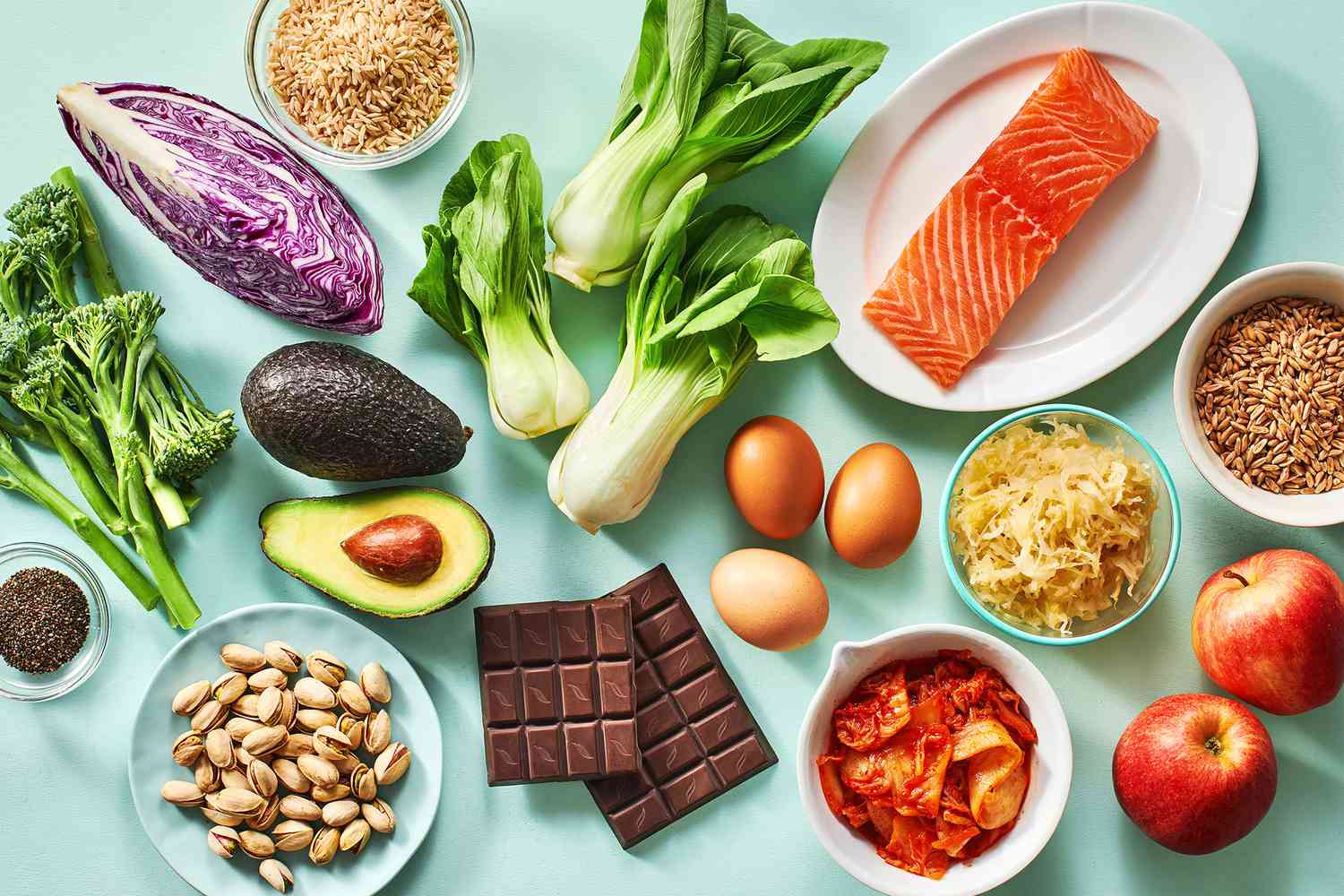
Research shows nutrition matters for many people on the autism spectrum. Studies point to common feeding problems, gut issues, microbiome differences, nutrient shortfalls, and changes in activity or weight. Below is a plain-language summary of the main findings and what they mean for an autism diet, an autism diet list, and what foods are good for autism.
Main research findings
- Many autistic children are picky eaters or highly selective: Studies report very high rates of food selectivity, picky eating, and feeding difficulties in children with autism, often much higher than in typically developing children. These behaviours reduce diet variety and raise the risk of missing key nutrients.
- Gastrointestinal (GI) problems are common: Reviews estimate that about one-third of children with autism report GI symptoms (constipation, diarrhoea, pain), though study results vary. GI problems can lower appetite and interfere with nutrient absorption.
- Gut microbiome differences have been found, but the picture is still emerging: Multiple reviews and recent studies show changes in gut bacteria and microbial metabolites in autistic groups. Some research links those changes to behaviour or brain activity, but scientists caution that more work is needed to know cause vs effect.
- Nutrient deficiencies are frequently reported: Children with autism are more likely to have low levels of nutrients such as vitamin D, iron, zinc, and certain B vitamins. Limited diets and poor absorption both contribute to these shortfalls.
- Lower physical activity and higher sedentary behaviour can affect weight: Some studies show children and adolescents with autism are less active and more likely to be overweight or obese, especially when other conditions or medications are present. Diet and reduced activity together raise metabolic risks.

What this means for an autism diet (practical takeaways)
- Limited food variety → Higher risk of 5+ nutritional gaps. Keep an eye on protein, iron, zinc, calcium, vitamin D, and B-vitamins.
- GI symptoms and gut imbalance → address digestion before adding many supplements. Fixing constipation, improving enzymes, and healing the gut lining can improve nutrient uptake.
- Microbiome findings are promising but not a magic cure. Diet changes (fibre, fermented foods where tolerated) and sensible probiotic use can support gut health, but avoid unproven, risky procedures.
- For many children, the best route is simple: improve food quality first (whole foods, vegetables, legumes, safe animal proteins), then individualize supplements based on testing.

The Best Autism Diet
There is no single autism diet that works for every child, because every child is unique. However, many families notice positive changes when they make smart food choices, use the right supplements, and follow a clear autism diet list. Here, we guide parents through these choices in a simple and practical way.
#1. A well-balanced diet
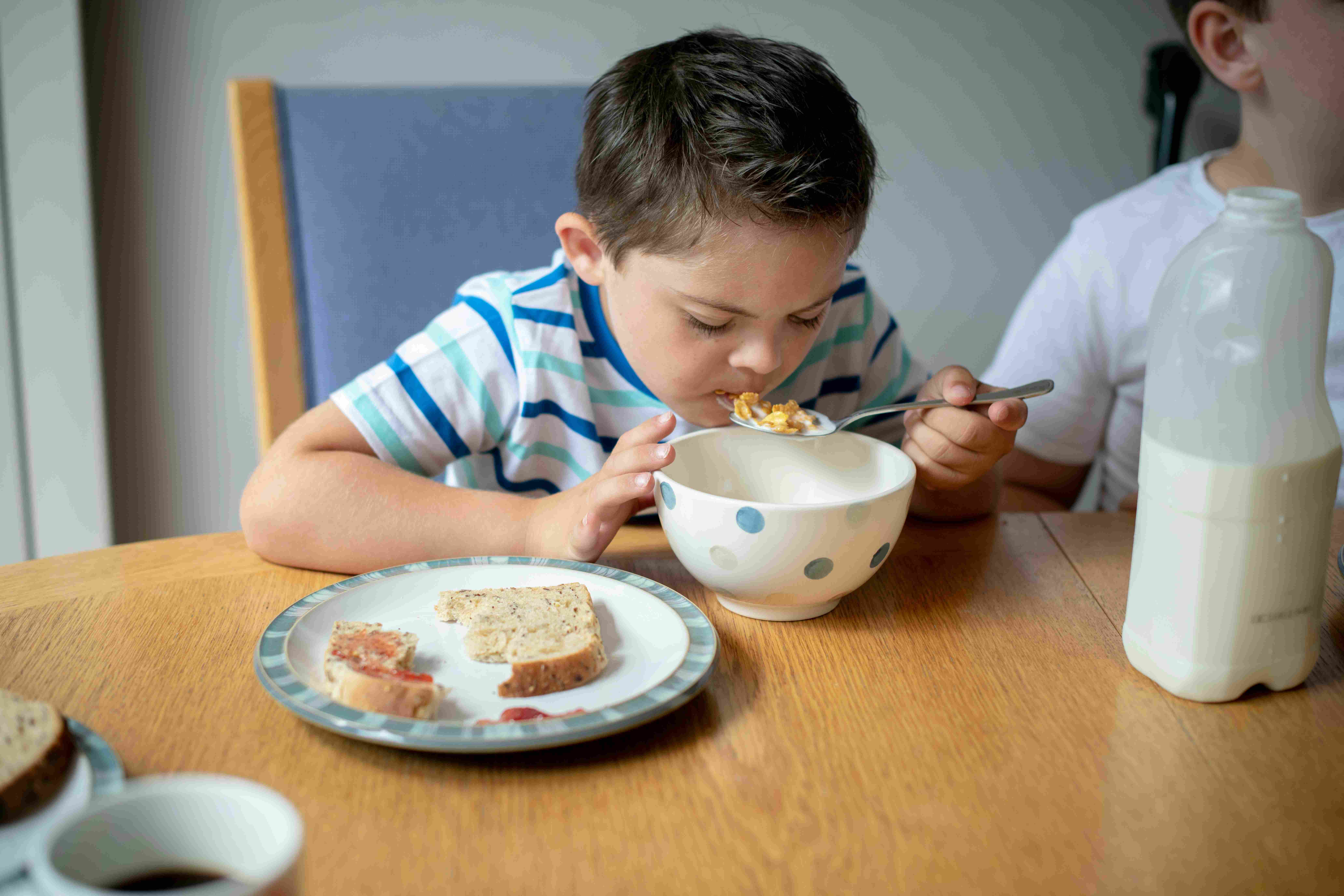
A balanced diet is the safest place to start. It includes:
- Lean proteins
- Healthy fats
- High-fibre foods like fruits, vegetables, and whole grains
These foods support gut health, help the brain grow well, and improve energy levels. For many African families, this can be as simple as choosing fresh local foods instead of processed options.
#2. Gluten-Free & Casein-Free (GFCF) Diet
This diet removes wheat (gluten) and dairy (casein). It is very common in the autism community.
Some children with autism struggle to digest these foods, especially if they have gut issues or low digestive enzymes. While research shows mixed results, many families in Africa and around the world still report improvements in behaviour, sleep, and digestion.
Here, we help parents test whether gluten or casein could be affecting their child.
#3. Supplements
Supplements can help fill nutritional gaps caused by limited eating habits. Common helpful options include:
- Multivitamins
- Probiotics
- Omega-3 or essential fatty acids
However, supplements work best when chosen correctly. Our team helps parents choose only what the child truly needs.

Good Foods for Autism
There is no single “magic food,” but adding a wide range of nutrient-rich foods can support your child’s health and behaviour. Good options for an autism diet include:
- High-quality proteins: chicken, eggs, beef, fish such as tilapia or salmon
- Fresh or frozen fruits and vegetables
- Whole grains: oats, brown rice, millet, quinoa
- Omega-3 rich foods: nuts, seeds, fish
- Beans and legumes: beans, lentils, peas
Creating a varied autism diet list helps prevent nutrient deficiencies like low zinc, vitamin D, or iron.
Foods That May Make Autism Symptoms Worse
Some children with autism have food sensitivities or gut issues. These foods may increase inflammation or digestive discomfort:
- Highly processed or refined foods
- Artificial colours, flavours, and sweeteners
- Gluten (wheat, barley, rye)
- Casein (milk and dairy)
- Corn or soy (if sensitive)
- Foods grown with pesticides (choose organic when possible)
Always watch for allergic reactions or irritations when trying new foods. If unsure, we can help you assess your child’s food reactions.

Quick Snack Ideas
Children with autism often do better when they eat every 2–3 hours. Good snack ideas include:
- Homemade trail mix
- Almond-flour crackers with nut butter
- Turkey or beef jerky with fruit strips
- Protein bars
- Peanut-butter-filled snacks
These snacks help keep blood sugar stable and reduce mood swings.
Tips to Make Diet Changes Easier
Changing foods can be hard for children with autism, especially those with sensory challenges. Try these gentle tips:
#1. Start with familiar foods
Match the new food to your child’s favourite texture, colour, or temperature.
#2. Celebrate small steps
Touching, smelling, or tasting a new food, even if they spit it out, is progress.
#3. Avoid force
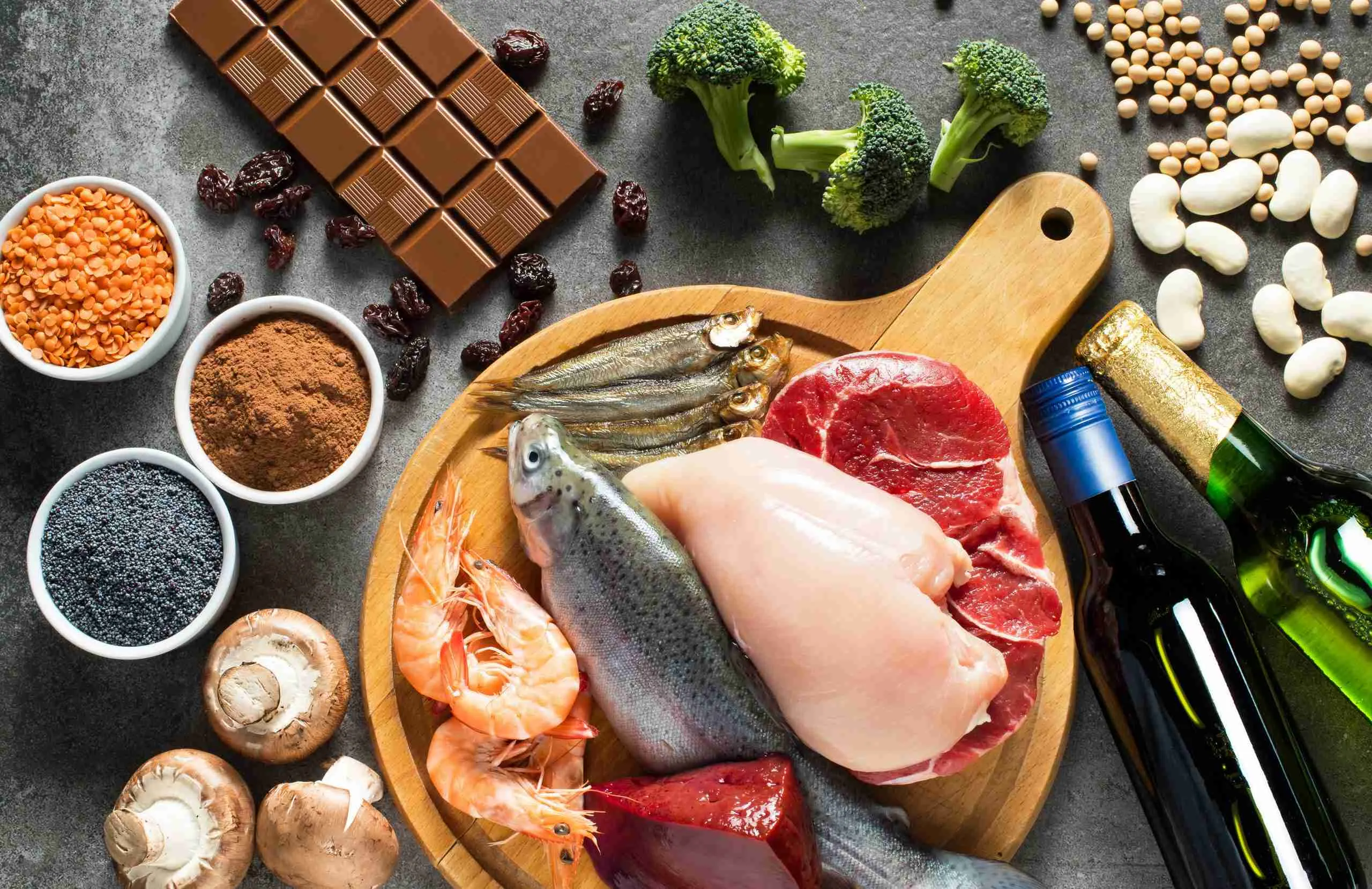
Do not force a child to eat a food before they are ready. Hunger will not fix sensory issues.
#4. Work with specialists
A dietitian familiar with autism can guide you with safer and easier ideas. Here, we offer personalised support for African families who want to build a healthy autism diet without stress.
#5. Monitor changes
Stay in touch with your healthcare provider when introducing new foods, especially if your child has gut issues or allergies.
How Jannis Health Helps
Here we combine local food wisdom with modern science to create simple, affordable autism diet lists families can use at home. We offer:
- Practical African-friendly meal plans.
- Gut-first approaches before heavy supplement use.
- Guidance on tests to request and how to read results.
If you’d like, we can create a printable autism diet grocery list tailored for West, East, or Southern African menus.

Frequently Asked Questions About What Foods Are Good for Autism
Why are whole foods important for autism?
Whole foods give the body real nutrients, not artificial chemicals or additives. Children on the spectrum often struggle with inflammation, gut issues, and picky eating. Whole foods help calm inflammation, support digestion, and improve overall health.
Should children with autism eat more fruits and vegetables?
Yes. Fruits and vegetables contain vitamins, minerals, fiber, and antioxidants. These help the brain, digestion, and immune system. Even small amounts added daily can make a difference.
Should we avoid dairy or gluten?
Some children with autism are sensitive to gluten or dairy. These foods can increase inflammation or worsen digestive issues. Removing them may help with mood, focus, and behavior in some individuals. It is best to try this under guidance.
What about sugar and processed foods?
Children with autism often struggle with blood sugar imbalance. Sugar and processed foods can make hyperactivity, irritability, and gut problems worse. Replacing sugary snacks with whole-food options can help stabilize behavior and energy.
Is hydration important?
Yes. Many children with autism don’t drink enough water. Proper hydration supports digestion, attention, and sleep. Water is best, while sugary drinks should be avoided.
Do children on the spectrum need extra vitamins or minerals?
Often, yes. Research shows many have low levels of iron, zinc, calcium, vitamin D, B vitamins, and fiber. Good nutrition plus the right supplements, when needed, can help fill the gaps.
References
- Food difficulties and selectivity in ASD — Vasilakis et al., Children (2022).
- Prevalence of gastrointestinal symptoms in ASD — Lasheras et al., Paediatric Research / systematic review (2023).
- Role of gut microbiome in ASD — Taniya et al., Frontiers/PMC review (2022).
- Nutritional management and micronutrient deficiencies in ASD — Al-Beltagi et al., Nutrients (2024).
- Obesity, activity and sedentary behaviour in autism — Corvey et al., PubMed (2016) and related reviews.
Comments