
Many African parents today are searching for natural ways to support their children on the autism spectrum. The gluten-free casein-free diet for autism spectrum disorder has become one of the most discussed approaches in homes, hospitals, and online communities. Researchers continue to explore this growing interest. One review published in Nutrients (2020) found that many children with autism experience gut problems, food sensitivity, and inflammation, which may influence behaviour and learning. More parents are choosing the casein-free diet and gluten-free lifestyle after noticing changes in digestion, sleep, and behaviour. This interest is rising across Africa as families look for simple, food-based solutions that fit their daily lives.
Yet parents still carry heavy questions in their hearts. They want to know the truth. They want clarity. They want hope. Many wonder:
- What exactly is the gluten-free casein-free diet for autism spectrum disorder?
- How does a casein-free diet differ from a standard diet?
- What is the real link between casein and autism diet approaches?
- Can removing gluten and dairy help my child feel calmer, sleep better, or learn faster?
- How do I know if my child is sensitive to wheat or dairy?
- Is this diet safe for African children who already have limited food options?
These questions are valid. Every parent deserves clear answers and honest guidance.
This page explains everything you need to know in simple language. You will learn what the gluten-free casein-free diet truly means, how it affects gut health, and why some children with autism respond well to it. You will also discover the signs of gluten or dairy sensitivity, food options that work in African homes, and steps to start safely. Here, we walk with families who want to use food as medicine in a natural, holistic way. Our goal is to help you understand what works, what doesn’t, and how to make nutrition a powerful tool for your child’s development.
What Is a Gluten-Free/Casein-Free Diet for Autism?

A gluten-free/casein-free diet, also called the GFCF diet, is a special eating pattern where all foods containing gluten and casein are removed. Gluten is a protein found in wheat, barley, and rye, while casein is the main protein found in milk and other dairy products. Many African foods, such as bread, noodles, pastries, and milk-based beverages, contain these proteins.
Parents choose this autism diet because some children may react badly to gluten and casein, even when allergy tests show no official allergy. Many families worldwide report improvements in speech, sleep, attention, and behaviour after removing these foods. A study published in Nutrients found that children with autism are more likely to experience digestive issues, food sensitivities, and inflammation, which may worsen symptoms.
Another study from Frontiers in Psychiatry shows that children with autism often have higher sensitivity to wheat and dairy proteins due to gut imbalances. These gut problems may explain why some children feel calmer and more focused when these foods are removed.
We help African parents understand which foods nourish their child’s brain and which ones may trigger discomfort. Our goal is to guide you with clarity, not confusion, while supporting better gut health and natural healing.

How Does a Gluten-Free/Casein-Free Diet for Autism Work?
The gluten-free/casein-free diet works through a simple idea:
- Some children with autism struggle to digest gluten and casein properly.
- When these proteins break down in the body, they may form harmful peptides that act like “false opioids” in the brain, affecting behaviour, mood, and learning.
This is known as the opioid-excess theory, first introduced by researchers like Dr. Kalle Reichelt. Studies have found unusual peptide levels in the urine of some autistic individuals, suggesting that their bodies may process gluten and casein differently.
Here’s how the autism diet may help:
#1. Reduces Gut Inflammation
Research shows that many autistic children have gut inflammation, leaky gut, or poor enzyme function, which may worsen behaviour and learning challenges. Removing gluten and casein may reduce digestive stress.
#2. Supports Better Brain Function
When the gut is inflamed or imbalanced, the brain is affected. The gut-brain connection plays a big role in autism. Removing tough-to-digest foods may help restore balance.
#3. Improves Behaviour and Mood in Some Children
Parents often report improvements in:
- Attention
- Eye contact
- Sleep
- Calmness
- Fewer meltdowns
- Better communication
Although results vary, many families feel the change is worth exploring under professional guidance.
#4. Supports Children With Food Sensitivities
A 2021 study found that children with autism have significantly higher rates of food sensitivity and digestive issues. The GFCF diet may reduce discomfort and improve daily functioning.
What You Should Know as a Parent
Even though some research supports the theory behind the GFCF diet, scientists also note that results differ from child to child. Large clinical trials are difficult to conduct because gluten and dairy appear in many foods.
This is why we provides personalised guidance, helping parents understand:
- How to identify food sensitivities
- Whether a child’s symptoms point to gluten or casein intolerance
- What African foods are safe and accessible
- How to maintain a balanced autism diet list without stress
No parent should walk this journey alone. With the right knowledge and support, nutrition can become a powerful tool in naturally supporting your child’s development.

Which Foods Contain Gluten?
Gluten is a protein naturally found in certain grains, mainly wheat, barley, and rye. Here are common foods/ingredients that contain gluten (and so are avoided on a gluten-free or GFCF diet):
- All wheat-based products: breads, pasta, cookies, crackers, cakes, pastries, chapati, and other wheat flour foods.
- Other gluten grains: barley, rye, triticale, spelt, farro, durum wheat, semolina, bulgur, couscous.
- Many processed foods and snacks: some sauces, gravies, processed meats, breads used in sausages or fast foods, some snacks or chips, seasoned foods, often due to added wheat or barley derivatives.
- Surprising sources: even foods like soups, sauces, dressings, and certain packaged meals may hide gluten (in flour, wheat starch, or malt extracts).
Because gluten hides in many common foods, families must check ingredient labels carefully. For households following a gluten-free lifestyle (especially for autism), this vigilance is very important.
Herein, we recommend substituting gluten-containing grains with naturally gluten-free alternatives such as rice, millet, corn, sorghum, and gluten-free flours, choices that are often easier to find or make in African kitchens.
Which Foods Contain Casein?
Casein is the main protein found in milk and most dairy products. Here are foods that typically contain casein and are avoided on a strict casein-free (or GFCF) diet:
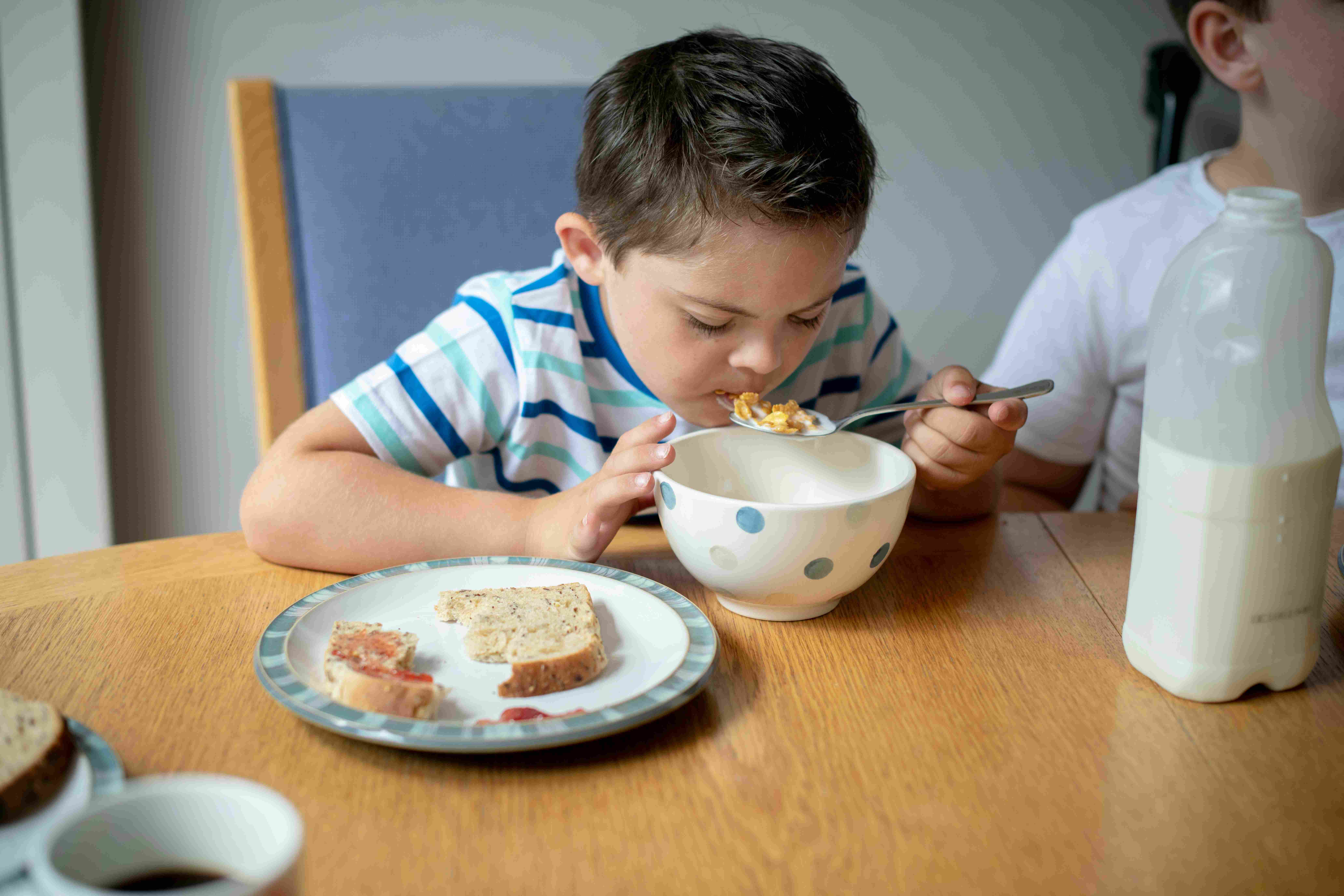
- All kinds of milk: Cow’s milk, goat’s milk, sheep’s milk, and any dairy milk used in cooking or drinks.
- Cheese: Including cheddar, mozzarella, cottage cheese, cream cheese, sour cream, and all other regular cheeses.
- Yogurt, kefir, and fermented dairy drinks: These also contain casein protein.
- Butter, cream, ice cream, custards, puddings, milk-based sauces and gravies, and generally any food made with milk, cream, or other dairy derivatives.
- Many processed foods because casein is often used as a protein source or binding agent (in processed meats, sauces, snacks, baked goods, etc.).
Dairy and its derivatives are such staple foods, removing casein completely can be challenging, but many families who follow the casein and autism diet find it worth the effort when they see improvements in digestion, behaviour or comfort.
When dairy is removed, it's also important to ensure the diet still includes adequate nutrients like calcium, vitamin D, protein, and healthy fats. We help families find alternative nutrient-rich foods (nuts, seeds, legumes, fish, vegetables) to meet those needs safely and naturally.
Tips for Eating at Home or Eating Out on a Gluten-Free/Casein-Free Diet
Adopting a GFCF diet, especially with a child on the autism spectrum, can feel overwhelming. With planning, awareness, and a few simple tips, it becomes manageable and even empowering. Here’s what to keep in mind:
At Home: Smart Shopping & Cooking
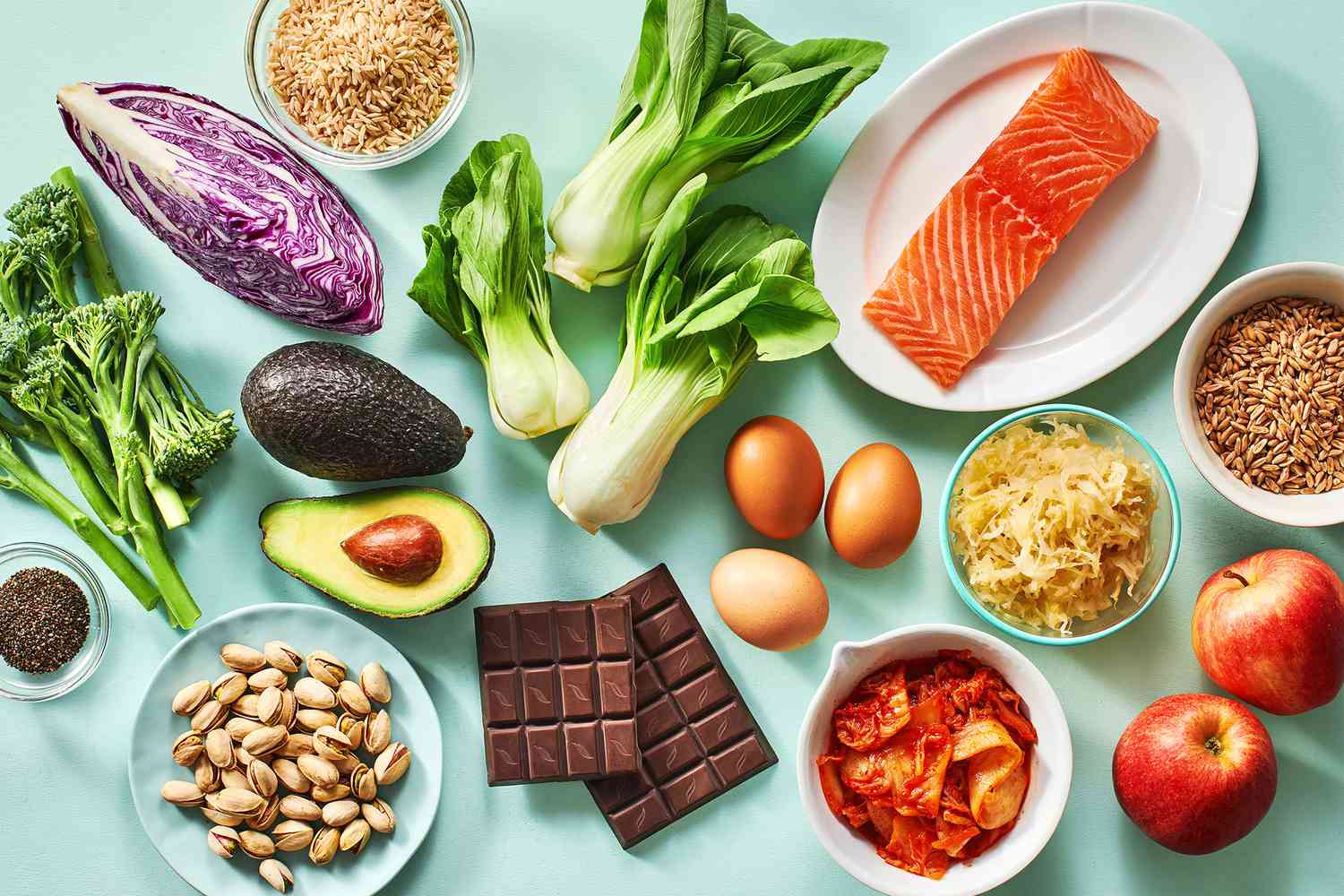
- Use naturally safe foods: Fill the plate with foods that are naturally free from gluten and casein, like rice, maize/corn, millet, sorghum, cassava, fresh fruits, vegetables, beans, lean meats (unseasoned), fish, eggs, nuts, and seeds. These form the backbone of a balanced, autism-friendly nutrition plan.
- Check product labels carefully: When buying packaged foods (flours, snacks, sauces), always look for “gluten-free” or the absence of dairy/ milk ingredients. Watch out for hidden gluten or casein in seasonings, processed foods, or imported foods.
- Cook from scratch where possible: Homemade meals give you control, you avoid hidden gluten or dairy, and you ensure fresh, nutritious ingredients.
- Plan for nutrients often lost with elimination: Since gluten and dairy are removed, pay attention to calcium, healthy fats, protein, and vitamins. Plant-based proteins, leafy greens, fish, beans, nuts/seeds are great. Jannis Health can help with meal plans that are balanced and suitable for African families.

Eating Out / Social Situations: Navigating Carefully
- Ask questions: At restaurants or when visiting friends, ask about ingredients. Confirm whether bread, sauces, desserts, or beverages may contain wheat or dairy.
- Choose simple dishes: Meals based on rice, plain meats or fish, vegetables, and fruits are often safest. Avoid pastas, breaded foods, creamy sauces, or baked goods.
- Consider restaurants used to dietary restrictions: Vegetarian/vegan restaurants, or places that offer “gluten-free” or “dairy-free” options, may be more reliable.
- Carry safe snacks: Prepare small, packed snacks (nuts, fruits, homemade gluten-free treats) to avoid unexpected hunger hits leading to unsafe choices.

Frequently Asked Questions About Gluten-free Casein-free Diet for Autism
Is the GFCF diet scientifically proven to work?
There is no strong scientific proof yet that a GFCF diet works for every child with autism. However, some studies suggest that certain children may react to gluten or casein differently, which can affect behaviour or digestion. Many African parents report better speech, attention, and comfort when their children follow this diet.
Is the GFCF diet safe for children?
Yes, it is generally safe when done correctly. The child must still receive enough calcium, protein, healthy fats, and vitamins. Removing dairy and wheat can reduce nutrient intake, so planning is important. We help families build balanced, affordable African meal plans that support healthy growth.
How long does it take to see results?
Every child is different. Some parents notice changes in 2–4 weeks, while others may need 3–6 months to observe improvements. Consistency is extremely important.
Can the GFCF diet replace medical treatment or therapy?
No. The diet does not replace therapies like speech therapy, behavioural therapy, or occupational therapy. It can be used alongside these treatments to support overall wellness.
Comments