
More research is showing that gut health and autism are closely linked, especially through what scientists call the gut-brain axis, the constant communication between the digestive system and the brain. Children with autism spectrum disorder (ASD) often experience gastrointestinal symptoms like constipation, diarrhoea, bloating, and abdominal pain, and these gut issues are tied to differences in the gut microbiome compared with neurotypical children. Studies also show that changes in the gut microbiota may relate not only to gut autism symptoms but also to behaviour and neurodevelopment challenges.
Many African parents naturally ask big questions when exploring autism gut healing. For example:
- What exactly is the connection between the gut and autism?
- Can improving gut health help children with autism feel better or function better?
- Are there real, evidence-based ways to support the digestive system to help with behaviour or cognition?
- Can a child truly be autism healed of autism for life through gut-focused care?
These are important questions. This page will help you understand what science currently shows about gut autism, how gut imbalances may influence symptoms, and what practical steps, including nutrition, balanced eating habits, and targeted support, can help guide families toward meaningful improvements. We believe that healing the gut is a foundational step in supporting the whole child, mind, body, and resilience, and we’re here to guide you with clear, trustworthy information grounded in research and rooted in everyday life.
What Is Gut Health and Why Does It Matter in Autism?
Gut health simply means how well the digestive system is working. It includes digestion, nutrient absorption, immune balance, and the health of the gut lining. In children with autism, gut health matters more than many people realise. When the gut is weak or inflamed, the brain is also affected. This is why autism gut healing often starts from the stomach, not the brain.
A healthy gut helps the body absorb nutrients needed for brain development, calm inflammation, and regulate mood. On the other hand, poor gut health can lead to discomfort, poor sleep, irritability, and learning difficulties. Many parents focus only on behaviour therapies, yet the foundation of long-term improvement often begins with healing the gut. We emphasise this root approach because true support starts from within.

The Gut Microbiome and Autism Development
The gut microbiome is made up of trillions of bacteria living inside the intestines. These bacteria are not enemies. They help digest food, produce vitamins, support immunity, and even communicate with the brain. In fact, many brain chemicals like serotonin and dopamine are influenced by gut bacteria.
In children with autism, studies show that the gut microbiome is often imbalanced. This imbalance can affect behaviour, attention, emotions, and sensory processing. When harmful bacteria are high and beneficial bacteria are low, children may struggle more with anxiety, aggression, poor focus, or emotional meltdowns. Supporting gut health and autism together helps restore this balance, allowing the brain to function more calmly and clearly. This is a key reason autism gut healing is gaining global attention.
Common Gut Problems Seen in Children With Autism
Many children on the autism spectrum live with ongoing gut discomfort that they may not be able to explain. These gut problems are common and should never be ignored.
Common gut issues include:
- Constipation, sometimes lasting several days
- Bloating and excessive gas, causing discomfort and pain
- Diarrhoea or loose stools, often recurring
- Food reactions or sensitivities, especially to dairy, gluten, sugar, or additives
These gut problems can directly affect behaviour. A child in pain may cry more, withdraw socially, or have frequent meltdowns. Sleep may also be disturbed. Addressing these digestive challenges is a major step toward gut autism support and improving daily quality of life. This is why we focus on gut healing as a practical, compassionate, and science-backed pathway for families seeking lasting improvement.
Can Autism Be Healed for Life Through Gut Healing?
There is no evidence that autism can be completely cured just by healing the gut. Autism is a complex neurodevelopmental condition with many causes, including genetics and environmental factors. However, what is clear from research is that improving gut health and autism together, especially when addressing digestive issues and microbiome imbalance, can lead to meaningful improvements in symptoms, behaviour, mood, and quality of life.
Studies show that many children with autism have differences in their gut microbiome, and that targeting the gut through diet, probiotics, or microbiota therapies may help reduce gastrointestinal discomfort and improve some behavioural symptoms.
However, results are mixed and still early. Science does not support the idea of autism healed for life solely through gut healing, but it does support using gut‑focused care as a major piece of long‑term support and symptom reduction. In other words, autism gut healing is part of a broader, balanced approach to help children thrive, not a complete cure.

Nutrition as the First Step in Autism Gut Healing
Nutrition is the foundation for autism gut healing and overall wellbeing. What a child eats affects the gut microbiome, the ecosystem of bacteria living in the digestive system, which in turn influences digestion, immunity, mood, and brain function. Research points out that dietary patterns may influence both gastrointestinal health and neurological symptoms through the gut‑brain axis.
Starting with whole, nutrient‑rich foods helps build a balanced microbiome, reduce inflammation, and support the immune system. For example:
- Fiber feeds beneficial gut bacteria and supports regular digestion.
- Healthy fats like omega‑3s support brain health and reduce inflammation.
- Fermented foods provide natural probiotics to enhance gut balance.
Balanced nutrition acts like food as medicine in autism gut healing. When the gut works better, the body absorbs nutrients more efficiently, which supports a calmer mood, clearer thinking, and reduced digestive discomfort, all important goals on the path toward better life‑long health.

Best Gut‑Healing Foods for Autism
Certain foods help strengthen the gut, support a healthy microbiome, and promote gut health and autism healing:
#1. Fiber‑Rich Foods
Fiber acts as food for good gut bacteria.
Examples include:
- Fruits: bananas, apples, pears
- Vegetables: leafy greens, broccoli, carrots
- Whole grains: millet, oats, brown rice
- Legumes: beans and lentils
Fiber helps with digestion and feeds beneficial bacteria that support the gut‑brain axis.
#2. Fermented Foods & Natural Probiotics
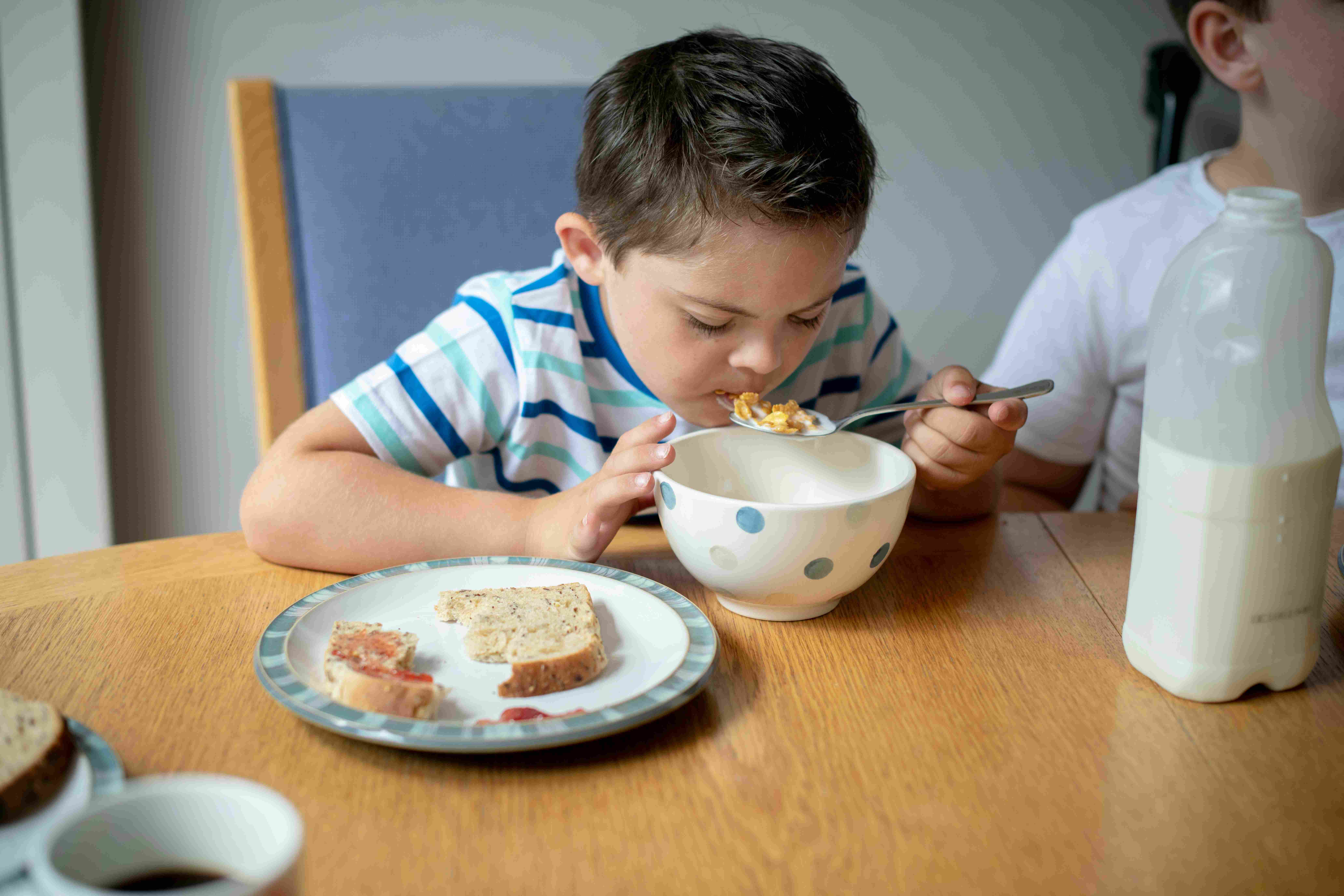
These introduce beneficial bacteria into the gut:
- Yogurt or cultured milk
- Sauerkraut, kimchi
- Fermented traditional African foods (e.g., fermented porridge or ogi, if tolerated)
These foods encourage a balanced microbiome and can help reduce inflammation and digestive discomfort.
#3. Healthy Fats
Omega‑3 rich foods help reduce inflammation and support brain function:
- Fish like tilapia or sardines
- Seeds: chia, flax
- Nuts and nut butters
These foods support both gut and brain health.
Foods That Can Damage Gut Health in Autism
Some foods may worsen gut autism symptoms by feeding harmful bacteria, increasing inflammation, or disrupting gut balance:
#1. Processed Foods
Packaged snacks and refined flour products often contain additives and low nutrients. These foods may impair digestion and feed unhealthy bacteria.
#2. High Sugar and Artificial Ingredients
Excess sugar and artificial additives can contribute to gut imbalance and inflammation. They may worsen mood swings, digestive issues, and energy problems.
#3. Common Trigger Foods
Some children with autism react poorly to gluten (wheat) or casein (milk proteins). While not all children are sensitive, some parents report improved gut and behavioural responses when these are reduced or carefully tested.
How Jannis Health Can Support Autism Gut Healing
When it comes to gut health and autism, professional guidance can make all the difference. We specialize in helping children with digestive challenges, offering personalized plans to support autism gut healing and improve overall well-being.

#1. Personalized Nutrition Plans
Every child’s gut is unique. We provide tailored nutrition strategies that focus on fiber-rich foods, probiotics, prebiotics, and other gut-friendly options. By identifying what works best for your child, you help improve digestion, mood, and focus, supporting the goal of autism healed for life through better gut health.
#2. Gut Microbiome Support
We help restore a balanced gut microbiome by recommending foods and supplements that nurture healthy gut bacteria. This approach addresses common gut autism issues like constipation, bloating, and diarrhea while supporting brain-gut communication.
#3. Professional Guidance for Supplements
For children who struggle to get enough nutrients from food alone, we provide guidance on safe probiotics, prebiotics, and other gut-support supplements. This ensures targeted support without unnecessary risks, helping your child’s gut and brain function optimally.
#4. Holistic Support and Education
Beyond food, we educate parents on the connection between the gut and brain, offering practical tips for meal planning, hydration, and lifestyle changes. Their goal is to empower families with tools to support autism gut healing consistently.
#5. Research-Backed Strategies
All recommendations from us are based on the latest research linking the gut-brain axis and autism, ensuring that interventions are effective, realistic, and safe for children with ASD.
By partnering with us, families can take meaningful steps toward better gut health and autism management, improving digestion, mood, sleep, and overall quality of life.

Frequently Asked Questions About Autism Gut Healing
Can gut healing cure autism?
No, there is currently no cure for autism. However, research shows that improving gut health and autism together can reduce gastrointestinal issues, improve mood, and support better focus and behavior. While it may not mean autism healed for life, autism gut healing can greatly improve quality of life.
Are supplements necessary for gut healing?
Supplements like probiotics, prebiotics, digestive enzymes, or certain herbs can help children with limited diets or gut issues. Always consult a Registered Dietitian or healthcare professional before starting supplements to ensure they are safe and effective.
How long does gut healing take?
Gut healing is a gradual process. Some improvements in digestion and mood can appear within weeks, while others, like behavior or sensory changes, may take months. Consistency with diet, hydration, and lifestyle changes is key.
Where can I find support for autism gut healing?
Communities like the Nourishing Autism Collective provide guidance, recipes, and professional support from Registered Dietitians experienced in gut autism. Support groups can help parents implement sustainable changes.
Comments