
Autism spectrum disorder (ASD) affects more children today than ever before. Current data from the U.S. Centers for Disease Control and Prevention (CDC) shows that 1 in 54 children is diagnosed with autism, and many of them struggle with more than just communication or behavior challenges. Research shows that children with autism are up to 8 times more likely to experience digestive problems, including constipation, bloating, food sensitivities, and poor nutrient absorption. These gut challenges often influence mood, sleep, learning, and behavior. This is why understanding what foods to avoid with autism is just as important as knowing autism safe foods that support healing and balance.
Many parents notice that certain foods make symptoms worse, while others help their child feel calmer and more focused. Yet confusion remains. Processed foods, artificial additives, gluten, dairy, excess sugar, and chemically treated foods are often described as foods bad for autism, especially for children with sensitive guts. Still, not every child reacts the same way. So, discernment matters.
Therefore, if you’re among those asking questions like;
- What foods should I avoid with autism to reduce meltdowns and gut pain?
- Which foods are truly autism safe foods?
- Why do some foods trigger behavior changes?
- Can diet really affect sleep, focus, and digestion?
- How can African families make better food choices using local foods?
This page breaks it all down in a clear, practical way. You will learn foods to avoid for autism, why they cause problems, and safer alternatives that nourish the gut and brain. Herein, our guidance is rooted in science, compassion, and cultural understanding. Every child deserves food that supports growth, calmness, and long-term wellbeing.
Understanding Autism and Food Sensitivities
Autism Spectrum Disorder (ASD) affects how the brain processes information. Because of this, many children with autism also react differently to food. Some foods may trigger stomach discomfort, changes in behavior, or difficulty focusing. Although there is no single rule for everyone, food sensitivities are very common in autism. Therefore, understanding how food affects the body and brain is an important step when learning what foods to avoid with autism and how to choose autism safe foods.

Why Many Children With Autism Are Picky Eaters

Many children with autism are picky eaters because their senses work differently. Taste, smell, texture, color, and even temperature of food can feel overwhelming. For example, a child may reject soft foods, mixed meals, or foods with strong smells. As a result, they may prefer only a few foods like bread, pasta, or sugary snacks.
Over time, this food selectivity can lead to poor nutrition. Important vitamins and minerals may be missing, which can affect growth, digestion, immunity, and brain function. This is why parents often notice that certain foods bad for autism seem to increase hyperactivity, stomach pain, or poor sleep.
The Gut–Brain Connection in Autism
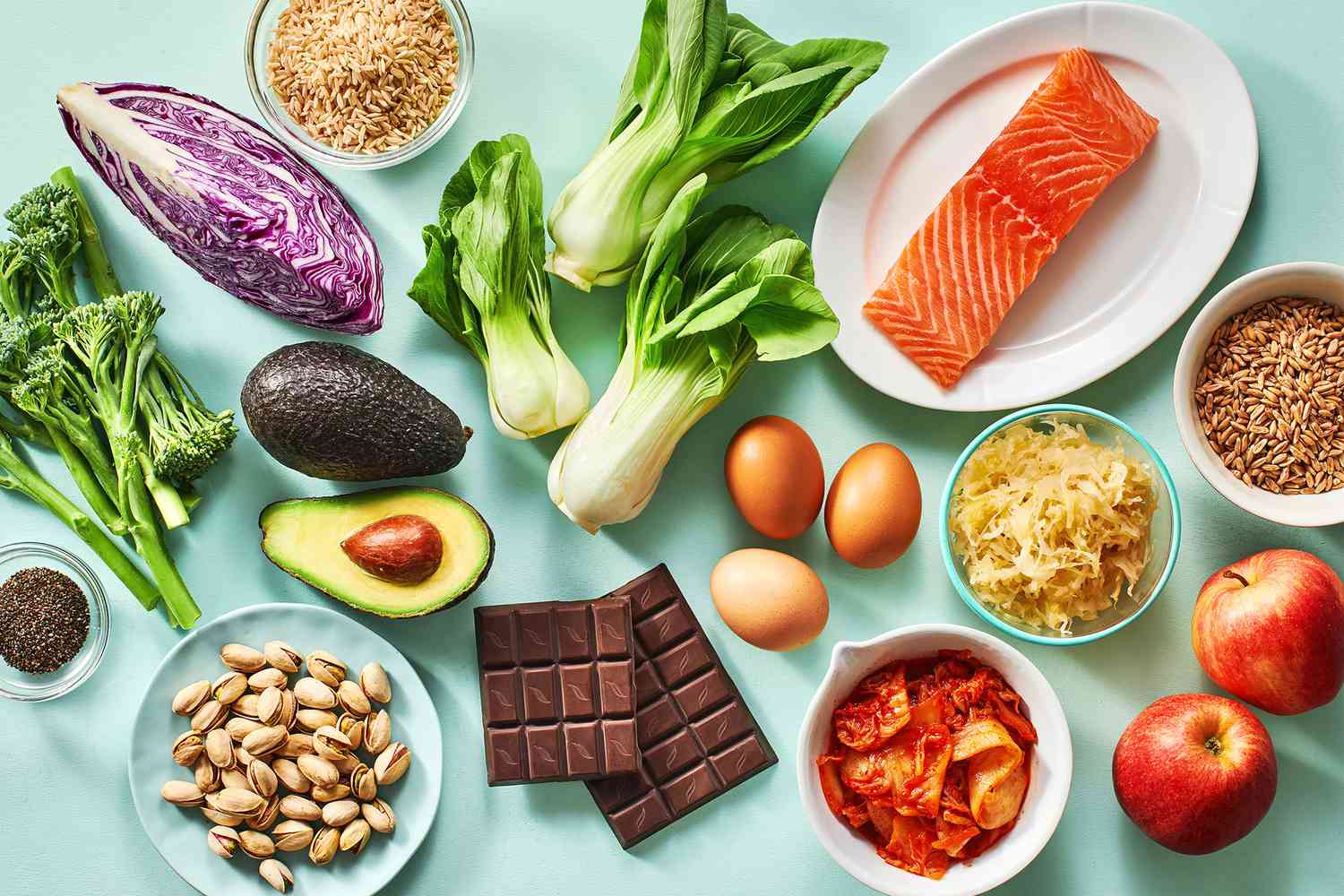
The gut and the brain are closely connected. In fact, the gut is often called the “second brain.” Research shows that many children with autism have digestive issues such as constipation, diarrhea, bloating, or stomach pain. These gut problems are often linked to food sensitivities, poor gut bacteria balance, and inflammation.
When the gut is unhealthy, signals sent to the brain can also be affected. This may influence mood, behavior, attention, and learning. Therefore, choosing the right diet and avoiding certain trigger foods to avoid for autism can help support both gut health and brain function.
How Inflammation and Poor Nutrition Can Worsen Autism Symptoms
Inflammation in the body and gut can make autism symptoms worse. Foods like sugar, gluten, dairy, artificial additives, and highly processed foods may increase inflammation in some children. When inflammation increases, issues such as poor concentration, irritability, hyperactivity, and digestive discomfort may also increase.
Poor nutrition makes this problem even worse. Without enough omega-3s, vitamins, minerals, and antioxidants, the brain and nervous system struggle to function well. This is why learning what foods to avoid with autism, while also focusing on autism safe foods, plays a key role in supporting overall health and daily functioning.

What Foods to Avoid With Autism
.jpg)
Understanding what foods to avoid with autism can help parents manage digestion, behavior, and focus in children on the spectrum. While every child is different, many families in Nigeria and across Africa notice that certain foods worsen symptoms. Below are common foods and ingredients linked to discomfort, inflammation, or behavioral changes, and why limiting them may help.
#1. Dairy Products and Autism
Milk, cheese, yogurt, and other dairy products contain casein, a protein that some children with autism struggle to digest. Poor digestion can lead to stomach pain, constipation, diarrhea, and even changes in behavior such as irritability or poor concentration.
Why dairy may worsen symptoms
- Triggers gut inflammation in sensitive children
- Linked to brain fog and reduced focus
- May increase hyperactivity in some cases

Common dairy foods in African diets to watch
- Cow milk and powdered milk
- Yogurt drinks and ice cream
- Cheese spreads and creamy snacks
Many parents notice improvements after reducing dairy and replacing it with safer options. We often guide families on dairy-free, autism safe foods that still support growth and nutrition.
#2. Gluten-Containing Foods
Gluten is found in wheat-based foods and is a common trigger when discussing foods to avoid for autism. In sensitive children, gluten may worsen gut problems and affect coordination and thinking.
Foods containing gluten
- Bread, pasta, noodles
- Semolina, wheat flour, pastries
Local African alternatives
- Rice and rice flour
- Yam, cocoyam, plantain flour
- Millet, sorghum, and acha (fonio)
These options are widely available in Nigeria and are often better tolerated.
#3. Corn and Corn-Based Foods
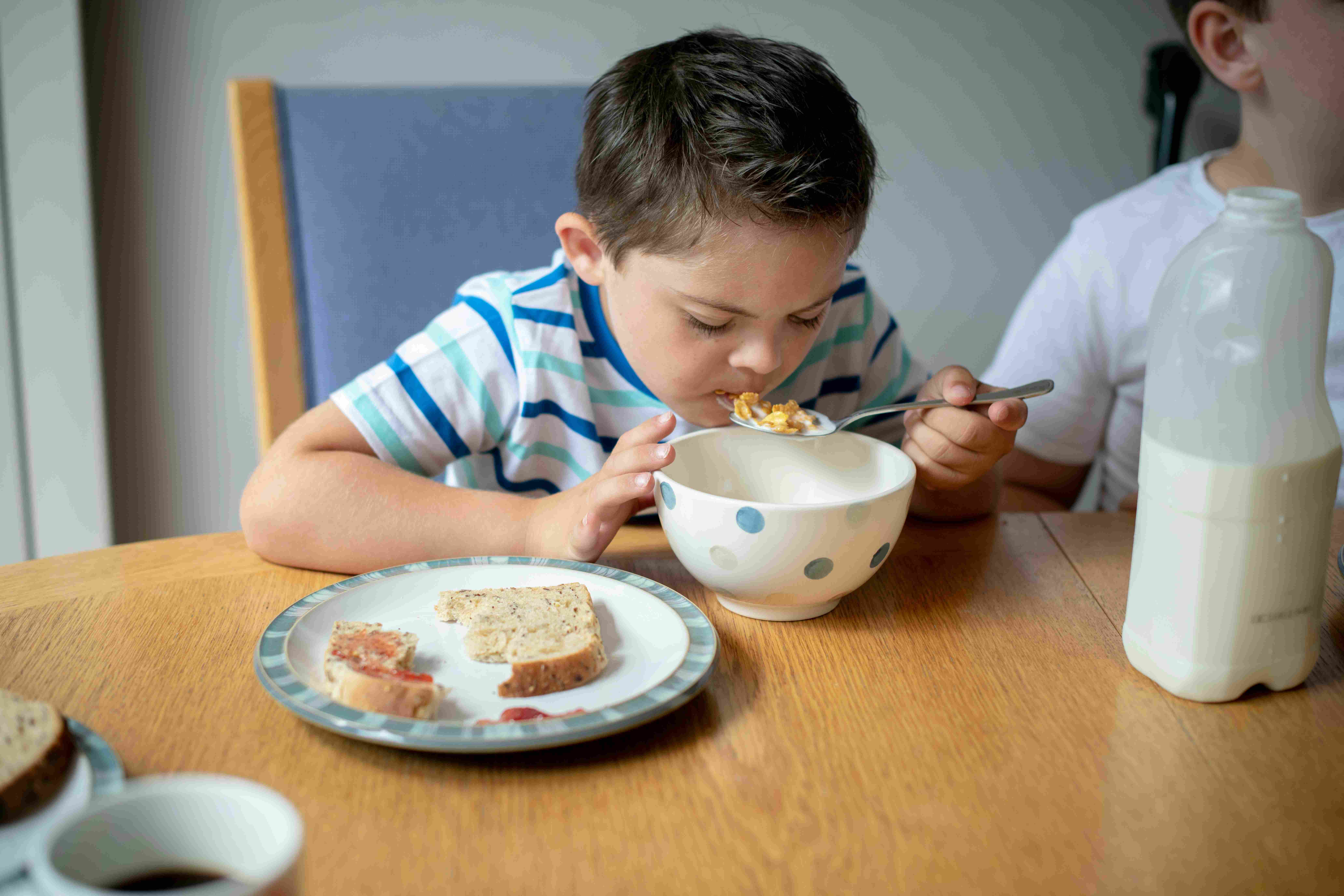
Corn (maize) is high in omega-6 fatty acids, which may promote inflammation when eaten too often.
Common African corn foods
- Pap, ogi, akamu
- Kenkey, sadza
Although popular and affordable, frequent intake may worsen gut discomfort in some children, moderation is key.
#4. Sugary Foods and Refined Carbohydrates
Sugar is strongly linked to hyperactivity and poor focus. Reducing sugar is one of the easiest steps when avoiding foods bad for autism.
Hidden sugar sources
- Soft drinks and fruit-flavored drinks
- Biscuits, sweets, pastries
- Sweetened cereals and snacks
High sugar intake may increase impulsive behavior and sleep problems.
#5. Artificial Ingredients and Processed Foods
Highly processed foods often contain chemicals that affect behavior and gut health.
Ingredients to limit
- Artificial colors and dyes
- Preservatives and flavor enhancers

Common packaged foods to watch
- Instant noodles
- Packaged snacks and flavored chips
- Processed meats
Foods Bad for Autism: Ingredients Parents Should Watch Out For
#1. Monosodium Glutamate (MSG) and Autism
MSG can overstimulate the brain and increase hyperactivity. It is common in seasoning cubes and instant foods.
#2. Artificial Sweeteners, Dyes, and Preservatives
These may trigger behavioral changes and digestive upset. Reading labels is important.
#3. Toxins and Heavy Metals in Food
Mercury in fish
- Choose smaller fish like sardines
- Limit large fish intake
Pesticides on produce
- Wash fruits and vegetables thoroughly
- Buy local, fresh produce when possible
Choosing the right foods and avoiding common triggers can make daily life easier. Trusted wellness brands like ours support African families with practical nutrition guidance focused on autism safe foods and long-term wellbeing.
Foods That May Worsen Constipation and Gut Discomfort
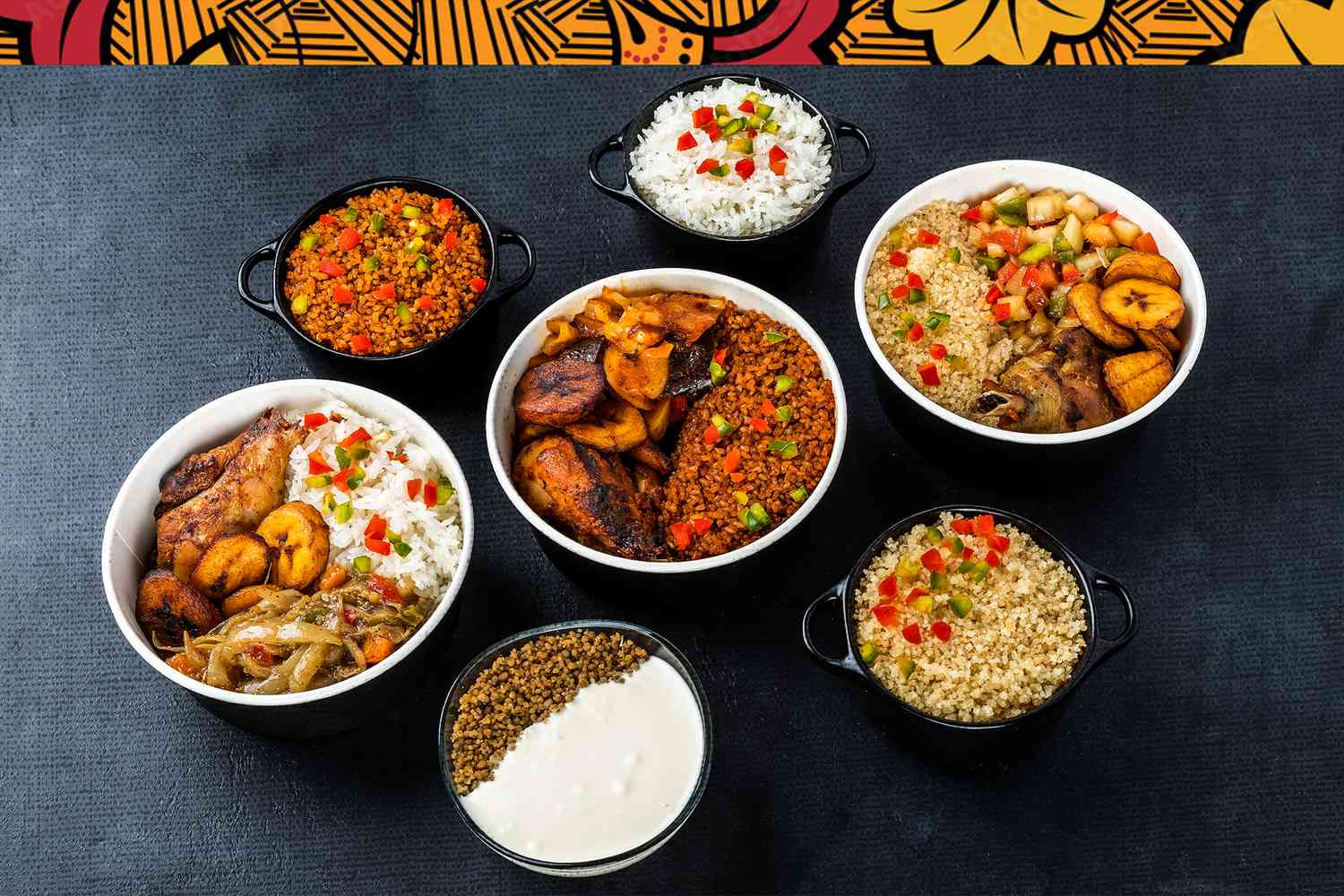
Children with autism are more likely to experience constipation, especially when their diet is limited or low in fiber.
Foods that commonly worsen constipation include:
- Dairy products (milk, cheese, yogurt)
- White bread and refined flour products
- Sugary snacks and pastries
- Fried and heavily processed foods
- Low-fiber instant cereals
In many African homes, frequent intake of pap (ogi), white bread, and sugary snacks can worsen bowel movement problems when not balanced with fiber-rich foods.
Foods That Disrupt Gut Bacteria Balance
A healthy gut needs good bacteria to function well. Certain foods reduce beneficial bacteria and increase harmful ones.
Foods that may disrupt gut balance:
- High-sugar drinks and sweets
- Artificial sweeteners and flavor enhancers (MSG)
- Ultra-processed snacks and instant noodles
- Refined carbohydrates eaten daily
An imbalanced gut microbiome is linked to poor digestion, low immunity, anxiety, and worsened autism symptoms.
Why Leaky Gut Is Common in Autism
Many children with autism experience increased intestinal permeability, often called leaky gut. This happens when the gut lining becomes weak, allowing undigested food particles and toxins to enter the bloodstream.
Possible causes include:
- Chronic inflammation from gluten, dairy, and sugar
- Food sensitivities and allergies
- Poor gut bacteria balance
- Low intake of healing nutrients like zinc and omega-3
When the gut is irritated, it can affect the brain through the gut–brain connection, leading to behavior changes, poor focus, and mood swings.
Autism Safe Foods: What to Eat Instead
Replacing trigger foods with autism safe foods helps support digestion, brain development, and overall well-being. These foods are also affordable and accessible across Africa.
Whole Foods That Support Brain and Gut Health
Focus on natural, minimally processed foods.
Best options include:
- Fresh vegetables and fruits
- Whole grains in moderation (rice, millet, sorghum)
- Clean water and homemade meals
This is the foundation of many nutrition plans supported by wellness brands like us, which emphasize food as part of long-term healing.
Autism-Friendly Proteins
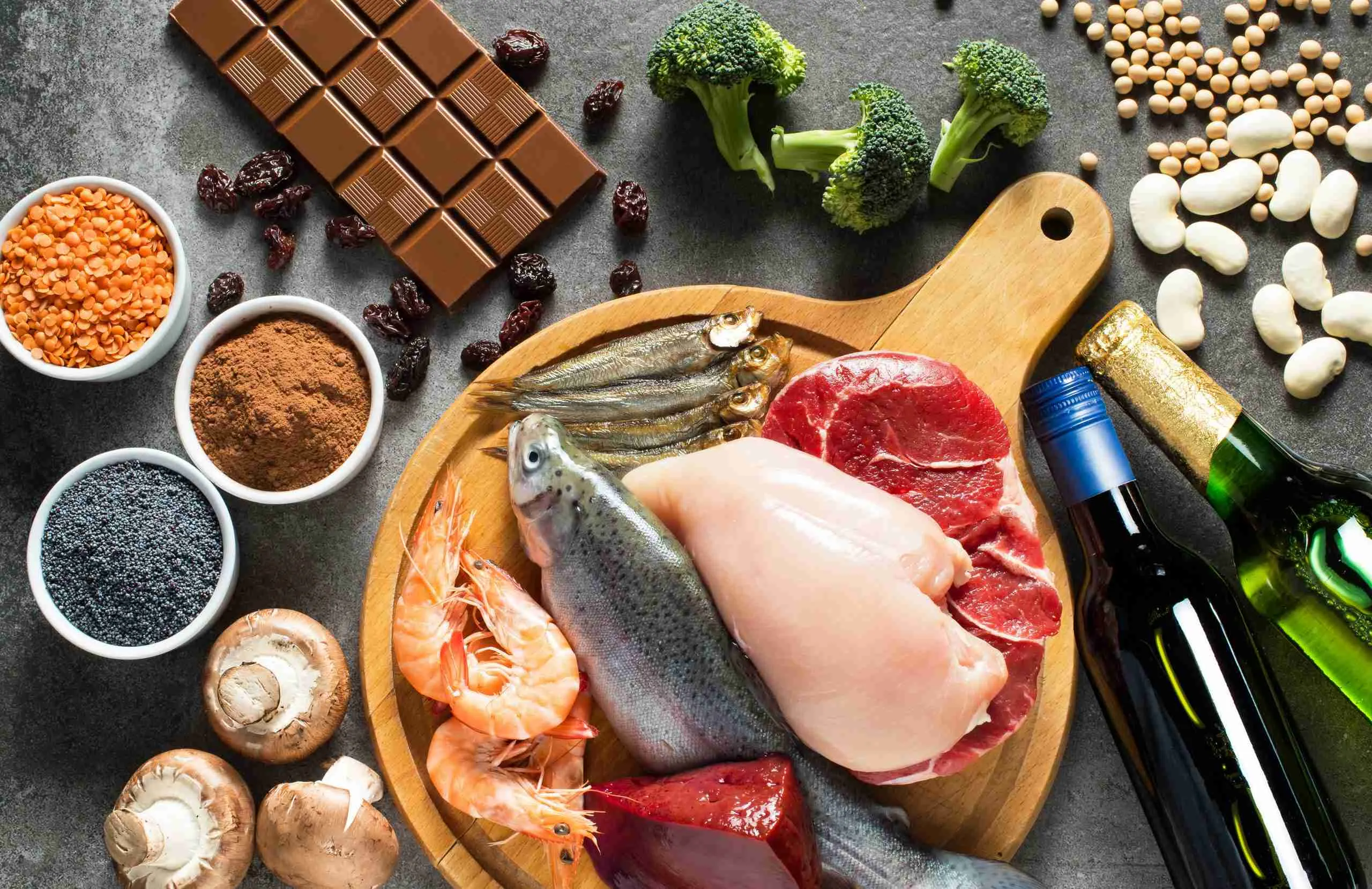
Protein supports brain development, muscle growth, and stable blood sugar.
Good protein sources in Africa:
- Eggs
- Beans and lentils
- Local legumes (cowpeas, groundnuts)
- Fish (especially sardines and mackerel)
- Chicken and turkey
These are generally well-tolerated and widely available.
Safe Fruits and Vegetables for Autism
Choose fruits and vegetables that are easy to digest and nutrient-dense.
Affordable African options:
- Bananas, pawpaw (papaya), oranges
- Avocado
- Carrots, pumpkin, okra
- Spinach, ugu (fluted pumpkin leaves)
Wash thoroughly to reduce pesticide exposure.
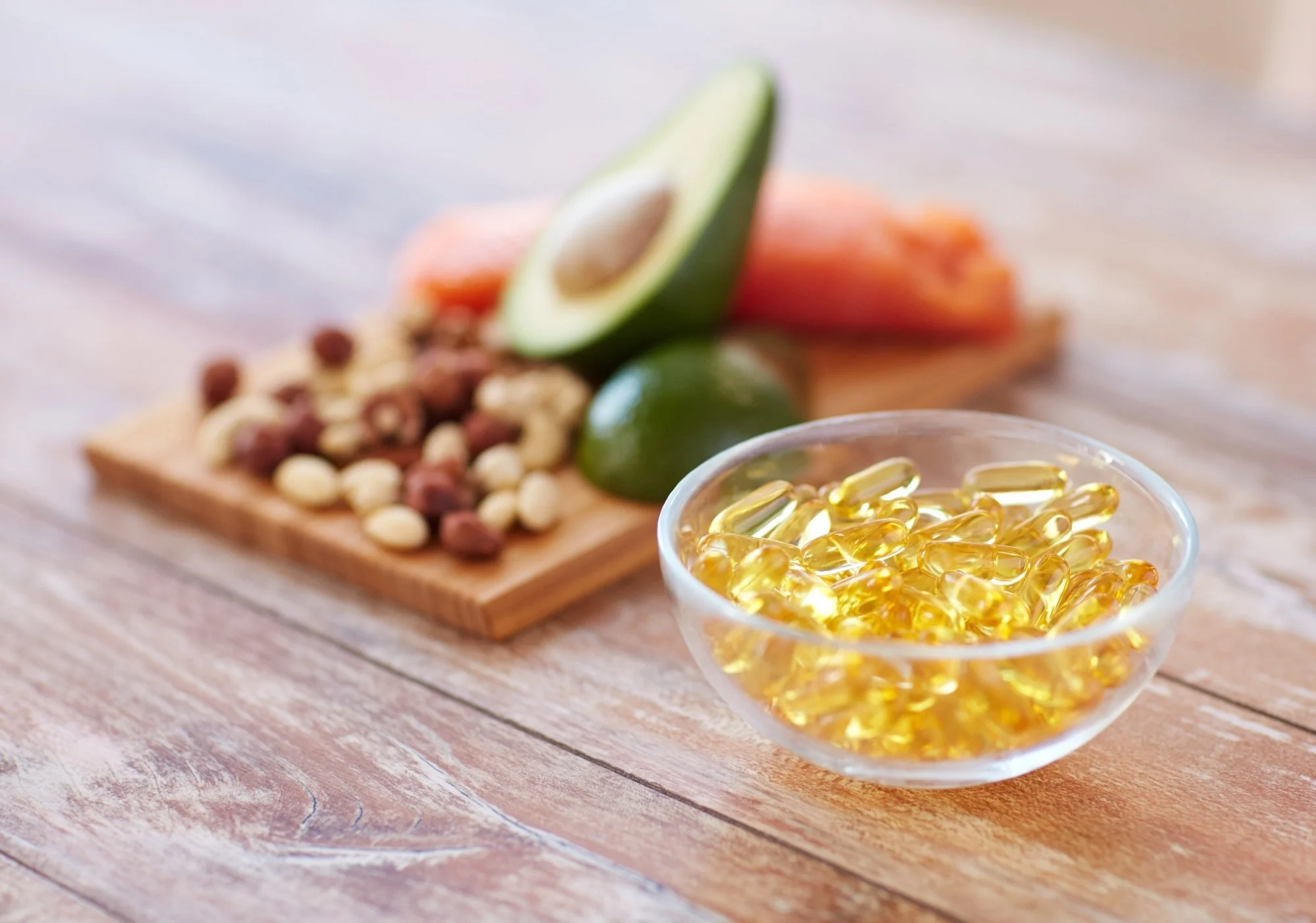
Healthy Fats That Support Brain Development
Healthy fats are essential for brain function and reducing inflammation.
Omega-3-rich foods available locally:
- Sardines
- Mackerel (titus)
- Ground flaxseed
- Chia seeds
- Palm kernel oil (in moderation, unrefined)
Best Nutrients for Children With Autism
Omega-3 Fatty Acids
- Support brain development
- Reduce inflammation
- Improve focus and learning
Sources: fatty fish, flaxseed, chia seeds
Vitamin D and Sunlight in Africa
Africa has abundant sunlight, which supports natural vitamin D production.
Tips:
- 15–30 minutes of morning sun daily
- Include eggs and fatty fish in meals
Vitamin D supports immunity, mood, and attention.

Zinc, Magnesium, and B Vitamins
These nutrients support digestion, nerve function, and behavior regulation.
| Nutrient | African Food Sources |
| Zinc | Beans, cashews, pumpkin seeds |
| Magnesium | Groundnuts, leafy greens, whole grains |
| B Vitamins | Eggs, legumes, green vegetables |
How to Get These Nutrients From African Foods
- Cook meals at home using whole ingredients
- Combine protein, vegetables, and healthy fats
- Reduce packaged and sugary foods
- Seek nutrition guidance when needed
Many families working with nutrition-focused wellness platforms, like here, we find that consistent, simple food choices make a noticeable difference over time.

Frequently Asked Questions About What Foods To Avoid With Autism
Is dairy bad for children with autism?
Dairy can be a problem for some children with autism. Milk protein, or casein, may cause stomach pain, constipation, brain fog, and poor concentration. Many parents notice improvements when dairy is reduced or removed, especially with guidance from a healthcare professional.
Do sugary foods affect autism symptoms?
High sugar intake can worsen autism symptoms. Sugar may increase hyperactivity, reduce focus and attention, and disrupt blood sugar balance. Hidden sugars are commonly found in snacks, cereals, biscuits, and soft drinks, so careful monitoring is important.
Are artificial food colors and MSG bad for autism?
Artificial additives such as food dyes, preservatives, and MSG may trigger hyperactivity, mood changes, and digestive discomfort. Limiting packaged and highly processed foods is often recommended for children with autism.
Is corn bad for autism?
Corn can be inflammatory and hard to digest for some children. Corn-based foods such as ogi, pap, kenkey, and cornflakes may increase gut irritation and add excess omega-6 fats that promote inflammation. Moderation or replacing corn with safer alternatives can help.
Should I remove all foods at once?
Sudden food removal can cause stress and nutrient gaps. It is better to remove one food group at a time, observe changes, and seek guidance from a healthcare professional or nutrition expert.
Comments